
Becoming the Patient
Lessons from a nurse on self-care

Welcome to Motherhood and All Margins. Yes, MA’AM. You are in the right spot, and I’m glad you are here.
In my weekly articles, I work to create a space where tired moms feel seen, busy women are heard, and the stay-at-home mothers who feel isolated know they aren’t alone. So whatever season of life you find yourself in, I encourage you to grab your favorite brew of tea or coffee and settle in as we reflect and learn from this perfectly imperfect journey of life.
As a nurse, I was conditioned to ignore my body.
Before having my own kids, days off allowed time to rebound from the stress and strain of a busy shift. But when I became a mom, I found it nearly impossible to turn off my “care mode.” The adopted mindset of caring for others at the expense of myself carried into the 24/7 role of parenting.
And it took a toll.
After realizing I was burning myself out, I gradually made changes and have been on a slow journey of learning to care for myself like I’m my own patient.

“Nurses are a unique kind. They have this insatiable need to care for others, which is both their greatest strength and fatal flaw.” -Jean Watson
Within weeks of orientation as a new graduate, I observed an unwritten rule: self-care and patient care don’t overlap. Thirty-minute lunch breaks (for a 12-hour shift) existed on paper, but not in reality. A nurse’s bladder is a thing. Sore backs and aching feet are normal at the end of the day. Bruises and scratches from confused patients or the strong grip of a woman in labor were part of the job.
A seasoned nurse once told me,
“As a nurse, you will push yourself until you risk becoming a patient. That’s when it’s time to eat a bite of food and drink some water.”
She was right. Nurses are often understaffed to the point that they do not have the luxury of taking care of themselves during their shifts.
Before having kids, I managed a decent work/life balance.
Despite the stress of the job, I absolutely loved being a nurse, and I was determined to be one of the few to avoid burnout. Days off were for recovery:
No alarm clock—allowing my body to wake when it was ready
Healthy breakfast
Coffee/journal or read
Workout
Laundry/house chores/errands
Netflix, read, paint, or meet up with a friend for coffee
Prep dinner
Slow evenings with my husband when he got home from work
That approach worked until we had our first child.
As a mom, I struggled to prioritize self-care alongside my responsibilities as a parent and tasks needed to manage the home. One year of working full-time, commuting, and motherhood burned me out.
I cut down to part-time (two 12-hour shifts per week) and took steps to incorporate self-care into life with little children.
During the height of COVID, my husband and I staggered our schedules to avoid putting our toddler and infant in daycare. The stress of working two 12-hour shifts every weekend and caring for my kids Monday through Friday while my husband worked once again burned me out.
Even though it felt like I was constantly treading water and barely keeping my head above the surface, I never gave up trying to use the small margins I had to care for myself.
Short workout while my son napped and my daughter played by my side, or climbed on my back
Daily walks in the park, pushing the stroller
Healthy meals
Making a cinnamon-maple latte in the afternoons
Five years ago, we underwent a major life shift. My husband got a job at an international school in Bangkok. The cost of living was low enough in Thailand that living off one income was finally an option.
I thought being a full-time SAHM would be easy compared to the work and schedule we were leaving behind. And while we did have a better family life balance, I still struggled initially to learn how to weave self-care into daily routines. And when my body began to scream at me to catch my attention, it was no longer something I could ignore.
Slowly, I began to tune my ear to hear my body’s quieter cues and gentle requests for care.
A different way of seeing self-care.
When our family made our second international move, relocating to China in 2025, the nurse in me was fascinated by the cultural perspective of health and well-being here.
It isn’t an afterthought, it isn’t a marketing scheme, it is a cultural norm and a way you see people living their day-to-day lives.
Chinese medicine focuses on maintaining balance to keep the body from slipping into dysfunction in the first place.
Western medicine excels at repairing the body when something goes wrong.
Back when I was in nursing school, I often wished the program offered a class on natural or traditional remedies — something to bridge the gap between modern Western medicine and the traditional practices people have relied on for centuries.
Thankfully, it’s never too late to learn. And this year, I have had some spare time to research, learn, and write when my kids are at school. I’ve researched Traditional Chinese Medicine remedies and incorporated some into my daily routines. Since then, I’ve noticed that health habits like regularly drinking jujube tea help boost my immunity, and responding to my body’s changing needs throughout the course of its monthly cycle helps improve my energy.
While there is still a lot I want to learn, the most important lesson has been this:
Be proactive instead of reactive in how you care for your body.
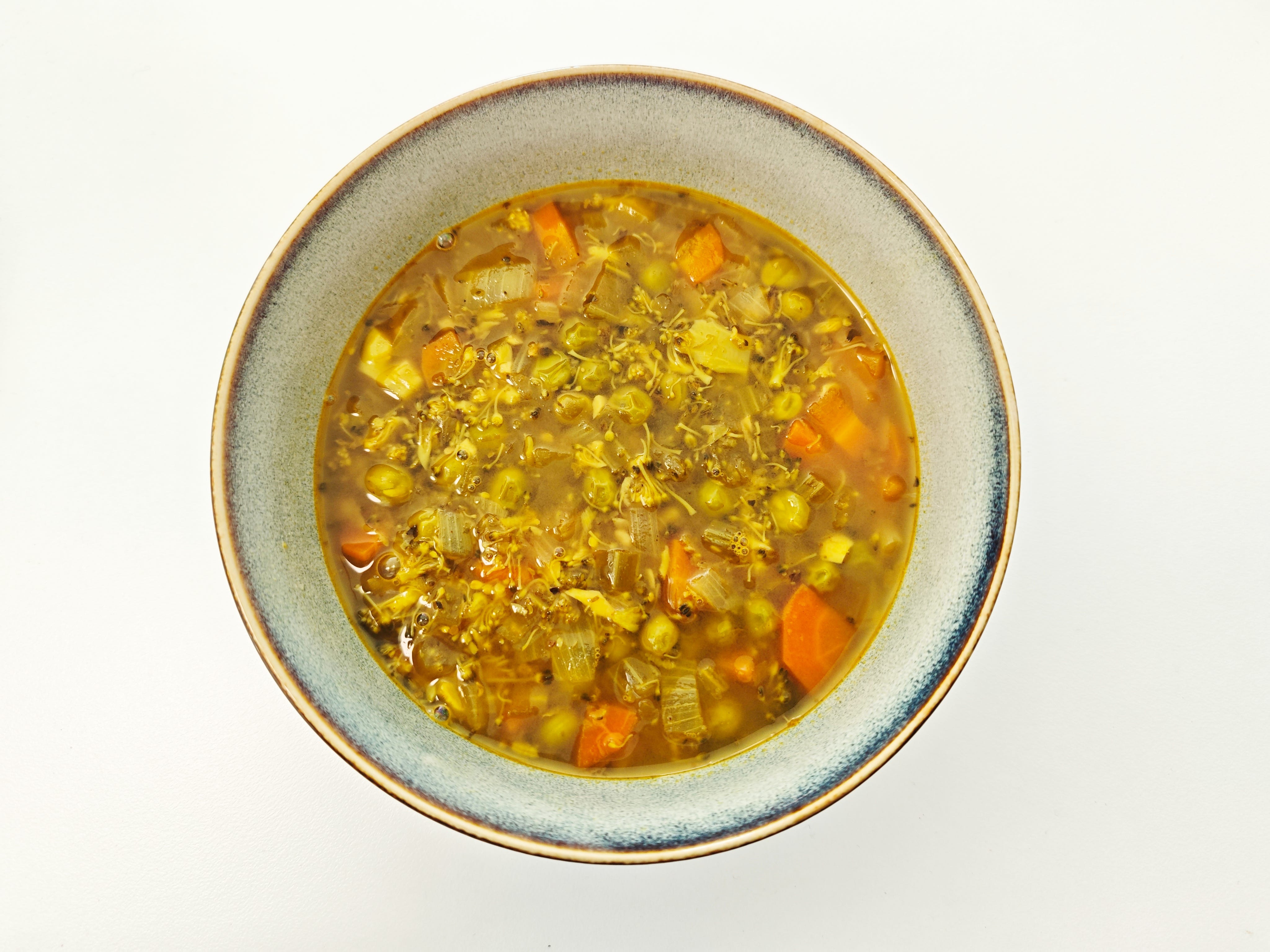
I finally care for myself with the same attentiveness I once gave my patients.
In previous years, as long as I could still function, I would ignore how I felt and continue at the normal life speed.
But this last year, anytime I started to get a sore throat, or notice the lymph nodes in my neck felt tender, or just had that feeling that my body was trying to fight off some sickness, I actually cared for myself before things got worse. Anything I could take off the schedule or to-do list, I would, creating as much space as I could to care for my body and boost my immune system.
Jujube tea, passionfruit tea1, and lemon ginger tea
Afternoon naps
Walks, getting out in nature, even if it means bundling up to be out in the winter sun.
Hydration, hydration, hydration
Intentionally caring for my body often did the trick, and the sickness passed without any worsening symptoms. While it is not always the case, I can’t help but feel good about caring for myself by listening and responding to my body’s needs.
You deserve the same care.
I’ve shared all this because I know I’m not the only woman who has fallen into the Western cultural norm of waiting until something is obviously wrong and your body needs repair.
There is a strength that comes when we learn to work with our bodies as a partnership, instead of feeling like we have to work despite it, proving what we can accomplish by constantly pushing past our limitations and ignoring the signs.
This care does not have to be all-consuming or expensive, but it can simply be the ongoing practice of honoring the body you rely on to care for everyone else. Permitting yourself to rest, heal, nourish, and listen.
And to recognize that your well-being matters just as much as the people you care for.

Part of learning to listen to my body has been recognizing that, as a woman, my body’s needs fluctuate and change throughout the course of my monthly cycle.
In response to those needs, I created this 28-Day workout routine that allows you to train with your cycle instead of working out despite how you feel.
I’ve shared this with my sister and some friends, and have heard some great feedback on it. If this is something you think you could use or are just interested in seeing what a routine like this could look like, you can download a free copy here.
That’s All for Now
Thank you so much for sharing a few minutes with me this week. I cannot say how grateful I am for this space, and I am loving all the incredible people I’ve been able to connect with through Substack over these past few months.
I hope you found some encouragement and hope in this week’s article.
Happy Wednesday,
Rebekah
Passion Fruit Tea: Two fresh passion fruit spooned into a mug, some honey, and hot water. Passion fruit is packed with antioxidants such as vitamin C, beta-carotene, and polyphenols.
Yes I feel like now that self care is a bit compromised (ahem 😅) with the child the small things matter so much more. I restarted doing small bursts of TRE for example and it does wonders to my fried nervous system. Even if it is just 5 mins at a time.